Unauthorized Charges on Your Credit Card can be stressful, especially when you don't recognize a transaction or suspect fraud. Whether it's a small unknown purchase or a significant unauthorized payment, acting quickly is essential. Fortunately, credit card holders in the United States are protected by federal laws and card issuer policies that limit liability for fraudulent transactions. Understanding how to identify suspicious activity, report it promptly, and navigate the dispute process can significantly improve your chances of recovering your money and preventing further unauthorized use.
What Are Unauthorized Charges on a Credit Card?
An unauthorized charge is any transaction on your credit card that you did not personally approve. This is different from a charge you simply regret making — it's a transaction you had no knowledge of or did not consent to.
Unauthorized charges generally fall into a few categories:
- Fraudulent charges: Transactions made by a thief using your stolen card number or personal information.
- Billing errors: Duplicate charges, incorrect amounts, or charges for services you never received.
- Unauthorized purchases: Charges made by someone who accessed your account without permission — including, in some cases, a family member.
- Merchant disputes: When a merchant charges you incorrectly or for a product/service that was never delivered.
Understanding which type of unauthorized transaction you're dealing with will determine the best approach for your dispute.
Common Causes of Unauthorized Credit Card Charges
Unauthorized charges can happen to anyone, regardless of how careful you are. Here are the most common reasons:
- Data breaches: A retailer or website you've shopped at has their systems hacked, exposing your card details.
- Card skimming: Criminals install hidden devices on ATMs or gas pumps to steal card data when you swipe.
- Identity theft: Someone uses your personal information to open a new credit account in your name.
- Phishing attacks: You're tricked into entering your card details on a fraudulent website or email link.
- Stolen physical card: Your card was lost or stolen and used without your knowledge.
- Subscription billing mistakes: A free trial converted to a paid plan without clear notice, or an old subscription charged after cancellation.
- Merchant processing errors: The business accidentally charged you twice or charged the wrong amount.
- Unauthorized family use: A family member or household acquaintance used your card without asking.
What to Do Immediately After Discovering Unauthorized Charges
Time is critical when dealing with a fraudulent credit card charge. Here's what to do right away:
Step 1: Review Your Transactions Carefully
Before calling your card issuer, look closely at the charge. Sometimes a legitimate merchant uses a different company name or parent company name on statements. Search for the business name online to confirm whether you recognize it. If it's genuinely unfamiliar, proceed to the next step.
Step 2: Contact Your Credit Card Issuer Immediately
Call the number on the back of your credit card or use the card issuer's mobile app to report the suspicious charge. Ask specifically for the fraud department. Be ready to:
- Confirm your identity (social security number, date of birth, address).
- Specify which transaction(s) you're disputing.
- State clearly that you believe the charge is unauthorized or fraudulent.
Most issuers — including major banks and card networks like Visa, Mastercard, American Express, and Discover — have 24/7 fraud reporting lines and mobile app dispute tools that make this process fast and accessible.
Step 3: Freeze or Lock Your Card
If you believe your card details have been compromised, lock or freeze your card immediately through your issuer's app or website. This prevents any further unauthorized transactions while your current dispute is being processed. Your issuer will typically also issue you a new card number at this stage.
Step 4: Gather Supporting Evidence
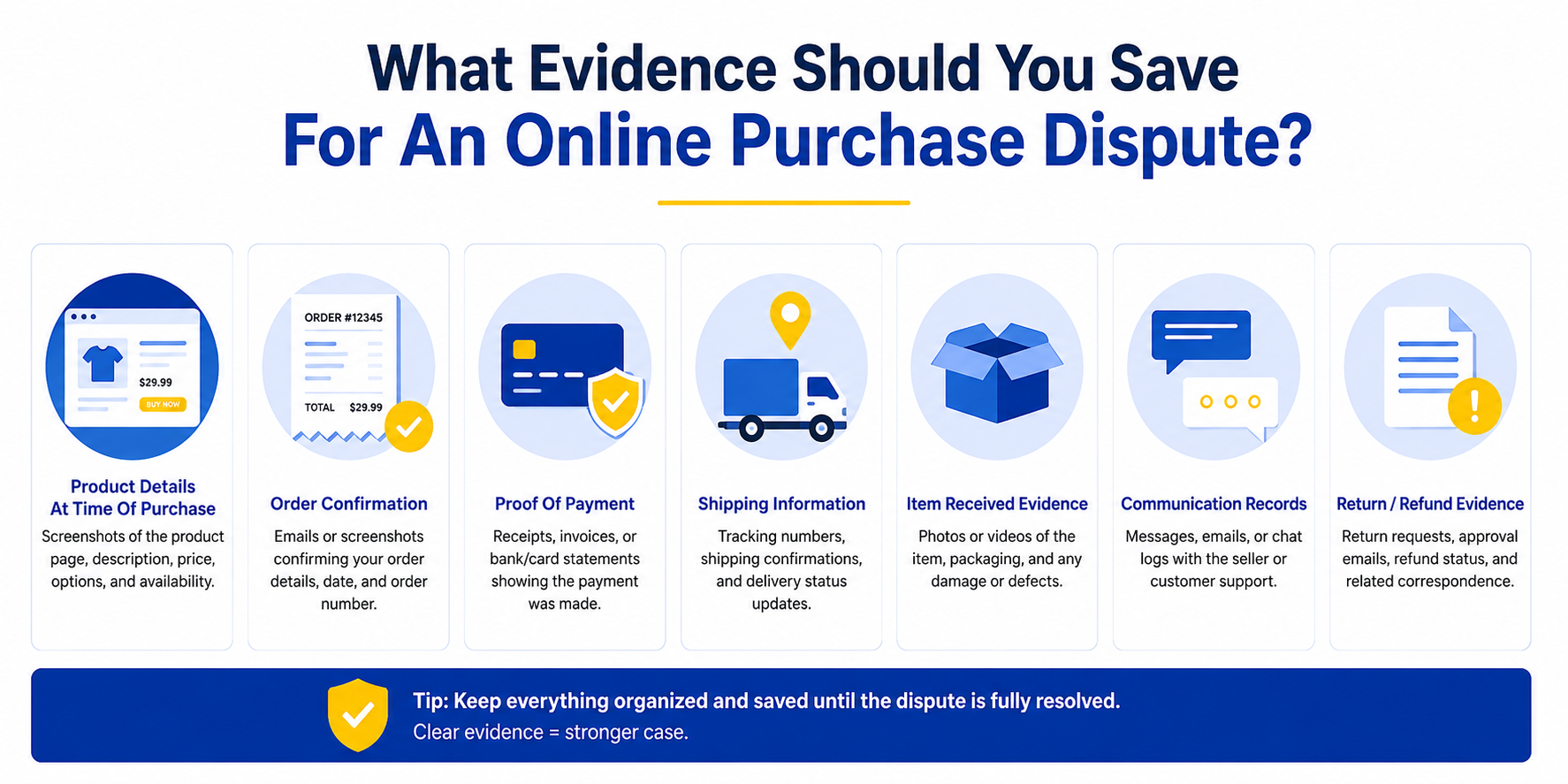
Documentation strengthens your dispute significantly. Start collecting:
- Your credit card statement showing the disputed transaction.
- Screenshots of your account activity.
- Receipts or confirmation emails from purchases you did make (to help distinguish legitimate charges from fraudulent ones).
- Any communication with the merchant — emails, chat logs, or cancellation confirmations.
- Police report (if applicable for stolen card or identity theft cases).
How to Dispute Unauthorized Charges on Your Credit Card: Step-by-Step
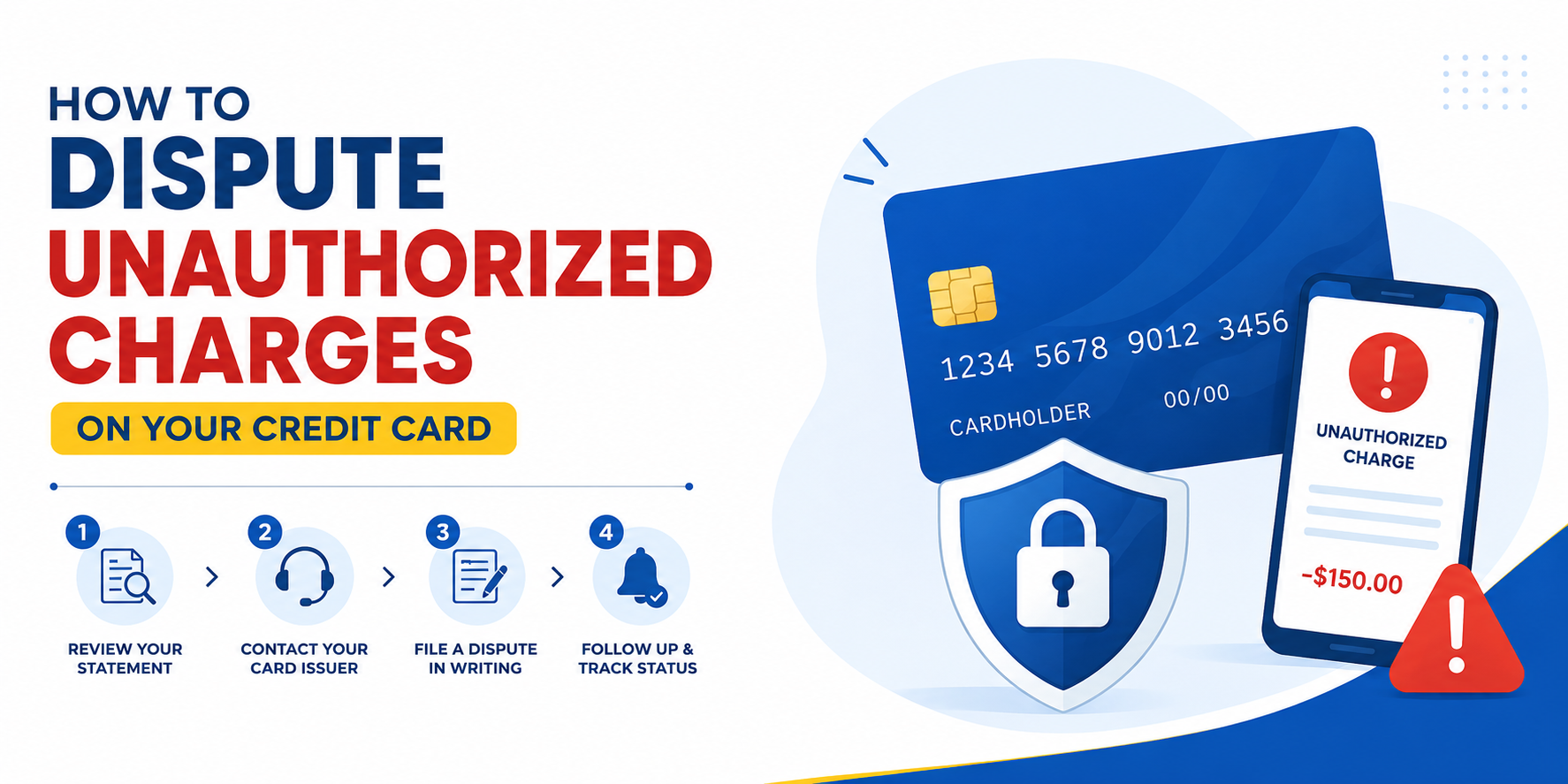
Once you've taken immediate action, here's how to formally submit and follow through on your credit card dispute:
1. Report the transaction. Tell your card issuer specifically that the charge is unauthorized. Most issuers allow you to flag the charge directly in their app or online portal, or by phone. Note your case or reference number.
2. Open a formal dispute. Your issuer will ask you to submit a formal billing dispute. This triggers the official chargeback process and creates a paper trail. You may be asked to complete a written or electronic dispute form.
3. Submit documentation. Provide any evidence you have gathered — statements, screenshots, receipts, or merchant communications. The more detail you supply, the stronger your case.
4. Track investigation progress. Stay in contact with your issuer during the investigation. Log all correspondence — dates, names of representatives, and what was discussed. Use your issuer's app or online portal to monitor the status.
5. Review the final decision. The issuer will notify you of the outcome. If resolved in your favor, the provisional credit becomes permanent. If denied, you have options to appeal or escalate (see below).
Understanding the Chargeback Process
A chargeback is a formal reversal of a credit card transaction initiated by the cardholder through their issuing bank. Here's how it works in practice:
- You report the unauthorized transaction to your card issuer.
- The issuer issues a provisional (temporary) credit to your account while the investigation is active.
- The issuer contacts the merchant's bank, presenting the dispute details.
- The merchant has the opportunity to respond with their own evidence (for example, proof that you authorized the transaction).
- The issuer reviews both sides and makes a final determination.
- If the chargeback is upheld, the provisional credit becomes permanent, and the merchant is charged back. If denied, the provisional credit is reversed.
The entire chargeback process typically takes 30 to 90 days, depending on the complexity of the case and how quickly the merchant responds.
How Long Does a Credit Card Dispute Take?
The investigation timeline depends on several factors, but here are the typical ranges:
- Provisional credit: Usually issued within 1 to 5 business days of your dispute filing.
- Initial investigation period: 30 to 45 days for most disputes.
- Complex cases: Up to 90 days, particularly when a merchant disputes the chargeback.
- Resolution notification: The issuer must resolve billing error disputes within two billing cycles (approximately 60 days) under the FCBA.
While your dispute is active, you are generally not required to pay the disputed amount, and interest should not accrue on it during the investigation period.
What If Your Dispute Is Denied?
A denied dispute is not necessarily the end of the road. Here's what you can do:
- Request a written explanation: Your issuer is required to provide a written explanation of why your dispute was denied.
- Submit additional evidence: If you have new documentation that wasn't included in the original dispute, you can request that the case be reopened.
- File a formal appeal: Ask your issuer how to formally appeal the decision. Many issuers have an appeals process.
- File a complaint with the CFPB: The Consumer Financial Protection Bureau (CFPB) accepts complaints about credit card billing disputes at consumerfinance.gov. The CFPB forwards your complaint to the company and works to get you a response.
- Contact the FTC: The Federal Trade Commission (FTC) at ReportFraud.ftc.gov handles reports of credit card fraud and identity theft.
- File a complaint with your state attorney general: Many states have consumer protection offices that can intervene.
- Contact the Better Business Bureau (BBB): Filing a complaint with the BBB may prompt a faster response from the merchant or card issuer.
When Should You Contact the Merchant First?
Not every billing dispute requires an immediate call to your card issuer. In cases of billing errors — a duplicate charge, an incorrect amount, or a charge for a service that was cancelled — contacting the merchant directly first often resolves the issue faster. Merchants generally prefer to handle billing errors internally rather than go through a costly chargeback process.
However, if you believe the charge is the result of fraud, identity theft, or a stolen card, do not contact the merchant — go directly to your card issuer's fraud department. The priority in fraud cases is securing your account, not negotiating with the business.
How RaiseAComplaint.com Can Help
Even after going through the formal dispute process, some consumers find themselves stuck — charges unresolved, merchants unresponsive, and card issuers dragging their feet. This is where RaiseAComplaint.com comes in.
RaiseAComplaint.com is a U.S.-based consumer review and complaint platform where you can:
- Share your experience publicly so other consumers are informed.
- Raise concerns about merchants, billing practices, or card issuers that have failed to resolve your issue.
- Document your dispute history in detail, creating a visible record that businesses can see.
- Encourage businesses to respond — many companies monitor their RaiseAComplaint.com profile and respond to consumer concerns posted there.
Public accountability is a powerful tool. When a formal dispute or internal complaint has stalled, a detailed, factual complaint on RaiseAComplaint.com can get results that traditional channels sometimes can't.
The Bottom Line
Discovering unauthorized charges on your credit card is stressful, but U.S. consumer protection law gives you real, enforceable rights. Your liability is limited, your issuer is required to investigate, and you have federal agencies in your corner if things go wrong.
The most important thing is to act quickly. The faster you report unauthorized charges on your credit card, the better your chances of a full recovery. Don't wait and hope the problem resolves itself — it won't.
Frequently Asked Questions
How do I dispute an unauthorized charge on my credit card?
Call the number on the back of your card or use your card issuer's app to report the charge as unauthorized. Ask for the fraud or billing dispute department. Provide your account details and the specific transaction you're disputing. Follow up with written documentation — a statement, screenshots, or receipts — to support your claim.
How long do I have to dispute an unauthorized charge?
Under the Fair Credit Billing Act, you have 60 days from the date the statement containing the disputed charge was mailed to report a billing error. For fraud claims, some issuers allow longer windows, but the sooner you report, the better. Do not wait — acting within days, not weeks, strengthens your case.
Will I get my money back after disputing a charge?
In most cases, yes. Card issuers typically issue a provisional credit to your account within a few business days of opening a dispute. If the investigation concludes in your favor — which it does in the majority of legitimate fraud cases — that credit becomes permanent. If the dispute is denied, the provisional credit is reversed.
What evidence should I provide for a credit card dispute?
Provide your credit card statement showing the disputed transaction, screenshots of your account activity, any receipts or confirmation emails for purchases you did make, correspondence with the merchant, and — if applicable — a police report. The more specific documentation you provide, the faster and more favorably your dispute is likely to be resolved.
Does disputing a credit card charge affect my credit score?
No — filing a dispute with your credit card issuer does not directly affect your credit score. The dispute is not reported to credit bureaus as a negative mark. Your credit may be indirectly affected if the dispute leads to account changes, but standard billing disputes filed in good faith do not impact your credit score.
Can I dispute a credit card charge online?
Yes. Most major card issuers — including those processing Visa, Mastercard, American Express, and Discover cards — allow you to file a credit card dispute online through their website or mobile app. Log in to your account, find the transaction, and look for a 'Dispute' or 'Report a Problem' option. Online disputes are often processed faster than phone disputes.
What is the chargeback process?
A chargeback is a formal reversal of a credit card charge initiated by your card issuer. When you dispute a charge, your issuer contacts the merchant's bank and requests the funds be returned. The merchant can contest the chargeback with evidence. The issuer then makes a final decision, typically within 30 to 90 days.
What happens during a credit card fraud investigation?
Your card issuer assigns an investigator to your case. They review the transaction details, any evidence you provide, and contact the merchant's bank for a response. In the meantime, you typically receive a provisional credit. The issuer will notify you of the outcome in writing, explaining whether the dispute was resolved in your favor and why.
What should I do if a company ignores my billing dispute?
If your card issuer is unresponsive, escalate by filing a complaint with the Consumer Financial Protection Bureau (CFPB) at consumerfinance.gov/complaint, or reporting the issue to the Federal Trade Commission (FTC) at ReportFraud.ftc.gov. You can also document the unresolved issue publicly on RaiseAComplaint.com to encourage a response. See also: What to Do When a Company Ignores Your Complaint.
Can I dispute a charge from a subscription I forgot to cancel?
This depends on the circumstances. If you signed up for a free trial that converted without clear notice, you may have grounds for a billing dispute. If you simply forgot to cancel a subscription you knowingly signed up for, your issuer may not uphold the dispute. In either case, contact the merchant first for a refund — many subscription services will reverse a charge if you reach out promptly.