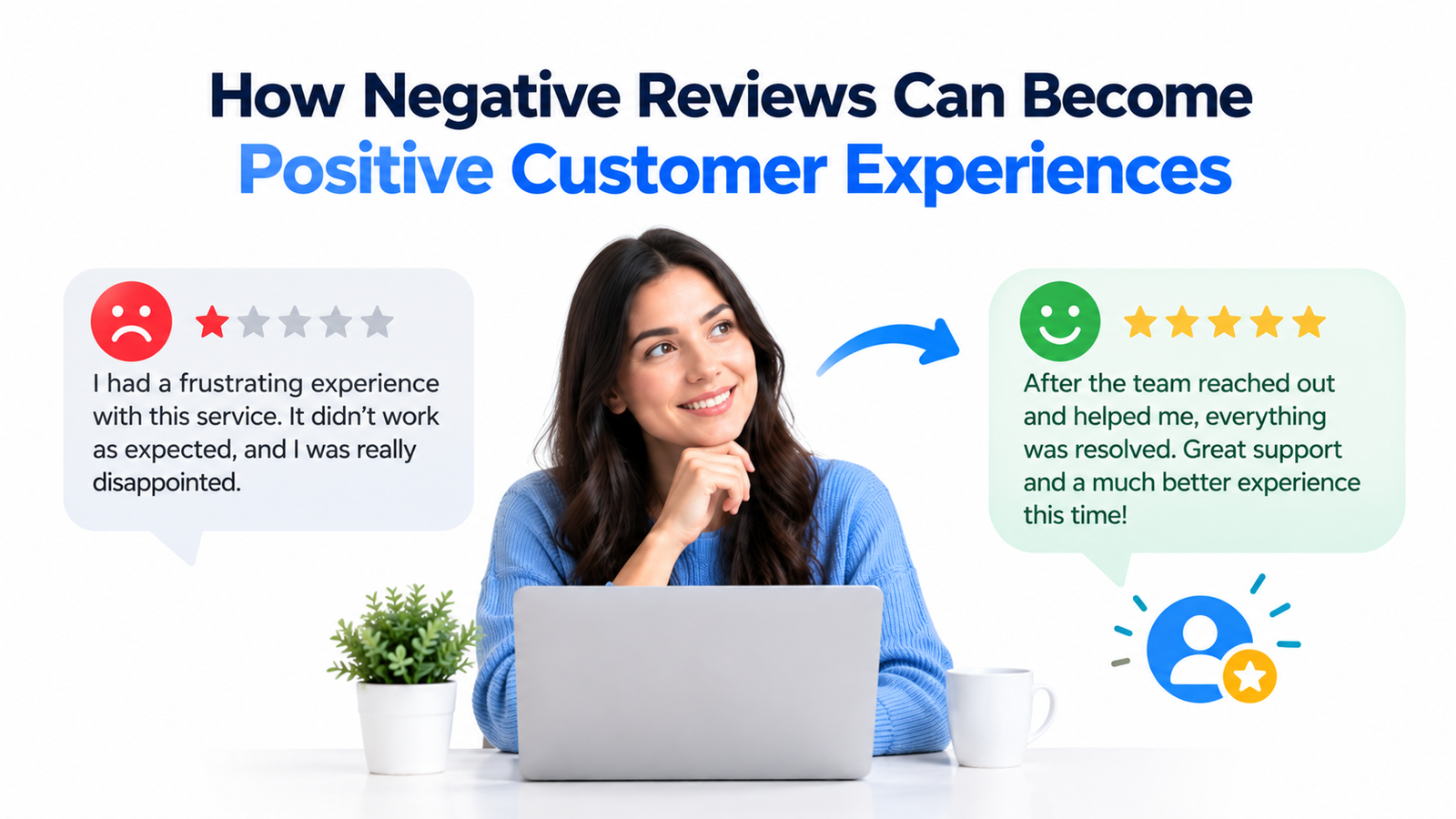
No business avoids negative reviews entirely, regardless of product quality or service standards. A late shipment, a billing mix-up, or a single frustrating support call can turn a loyal customer into a public critic. Rather than treating this as a reputational threat, businesses that view negative reviews as a source of structured customer feedback tend to fix real problems faster and build stronger relationships with the people who took the time to complain. This shift in perspective, from defensiveness to constructive listening, is often what separates brands that recover from criticism from those that let it compound. How Negative Reviews Can Become Positive Customer Experience
Why Negative Reviews Matter
Every negative review offers a window into an actual customer experience, which makes it more useful than most internal surveys. A complaint about a delayed order or a confusing return policy shows exactly where friction occurred, rather than offering a general satisfaction score. Reviews also expose operational weaknesses that do not always appear in sales figures, such as a fulfillment center running behind schedule, a support queue that takes too long to clear, or a product description that sets the wrong expectations.
Transparency plays a role as well. Shoppers researching a business today expect to see some criticism alongside praise, and a review page with nothing but five-star ratings often reads as curated rather than authentic. A mix of positive and negative reviews, paired with thoughtful responses from the business, tends to build more trust than a spotless record. Reviews also influence purchasing decisions directly, since many buyers read negative feedback specifically to see how a company handles conflict before trusting it with their own money.
Why Ignoring Negative Reviews Can Hurt Your Business
A negative review left without a response sends its own message, even when nothing is written back. Customers reading it often assume the business either does not care or has no satisfying answer to the complaint. Over time, this pattern of silence chips away at trust and lowers conversion rates, since prospective buyers weigh review responses almost as heavily as the reviews themselves. Unanswered complaints also do lasting damage to reputation, since search results and review platforms tend to surface older negative reviews for months or years afterward. Existing customers who see their own complaints go unanswered are less likely to return, which quietly erodes retention. Perhaps most costly, businesses that ignore feedback lose the chance to catch a recurring issue before it affects a larger share of their customer base.
The Hidden Benefits of Negative Reviews
Honest Customer Feedback
Negative reviews tend to be more specific and less filtered than survey responses, since a frustrated customer usually explains exactly what went wrong.
Better Product Improvements
Recurring complaints about a feature, a sizing issue, or a confusing setup process give product teams concrete direction for the next iteration.
Improved Customer Service
Support teams that regularly read and respond to critical reviews tend to develop better instincts for de-escalation and problem-solving over time.
Increased Business Transparency
Publicly addressing a mistake, and explaining how it was fixed, shows customers that the business operates in the open rather than behind closed doors.
Higher Customer Trust
A well-handled complaint often reassures other shoppers that the business will treat them fairly if something goes wrong with their own order.
Stronger Brand Reputation
Consistent, professional responses to criticism build a reputation for accountability that outlasts any single bad review.
Better Internal Processes
Tracking complaint themes over time can reveal where training, staffing, or workflow adjustments are genuinely needed.
Competitive Advantage
Businesses that respond well to negative reviews often stand out in a crowded market where most competitors leave complaints unanswered.
How to Respond to Negative Reviews Professionally
Step 1: Respond Promptly
A response within 24 to 48 hours shows the customer, and anyone else reading, that the business actively monitors feedback and takes the complaint seriously.
Step 2: Stay Professional
Even a review that feels unfair deserves a calm, measured tone. A defensive or sarcastic reply usually does more damage than the original complaint.
Step 3: Acknowledge the Customer's Experience
Restating what happened, in the customer's own terms, shows that the complaint was actually read and understood rather than answered with a template.
Step 4: Apologize When Appropriate
A direct, specific apology for a genuine mistake goes further than a vague statement of regret, and it does not require admitting fault the business does not believe it has.
Step 5: Offer a Solution
The response should include a concrete next step whenever possible, such as a replacement, a refund, or an invitation to work through the issue directly.
Step 6: Continue the Conversation Privately When Necessary
Complex issues, especially ones involving account details or payment information, are better resolved through a direct message or phone call than a public comment thread.
Step 7: Follow Up After Resolution
Checking back in once the issue is resolved, and asking the customer to update their review if appropriate, closes the loop and often turns a critic into an advocate.
Mistakes Businesses Should Avoid
- Ignoring reviews entirely, which reads as indifference to customers researching the business
- Arguing with customers in public comment threads
- Sending copy-paste responses that customers can immediately recognize as generic
- Blaming the customer for the situation, even indirectly
- Trying to have criticism removed instead of addressing what it describes
- Responding emotionally or defensively before reviewing the facts
- Making promises, such as guaranteed refunds or timelines, that the business cannot reliably keep
How Negative Reviews Help Build Customer Loyalty
Customers rarely expect perfection from every business they interact with, but they do notice which ones listen when something goes wrong. A complaint that receives a thoughtful, timely response often leaves the customer with more confidence in the business than before the problem occurred, since the person experienced firsthand how the business behaves under pressure. Transparency throughout that process, acknowledging the issue, explaining what happened, and following through on a fix, builds a kind of confidence that a flawless transaction never has the chance to demonstrate. This is why service recovery, done well, can leave a stronger impression than an experience that goes smoothly without any need for the business to prove itself.
Common Types of Negative Reviews
Different complaint categories call for different responses. A short list of common types, and how businesses typically handle them well, follows below.
- Delivery delays: acknowledge the specific timeline issue and provide an updated estimate or appropriate compensation.
- Billing disputes: verify the charge internally before responding, and correct errors quickly and clearly.
- Product quality: request details or photos when useful, and offer a replacement or refund rather than debating the complaint.
- Customer service: apologize for the specific interaction described and note any coaching or process change that follows.
- Technical support: acknowledge the frustration of an unresolved issue and provide a clear path to further help.
- Refund issues: explain the refund policy plainly and process eligible refunds without unnecessary delay.
- Subscription problems: clarify cancellation steps and address any confusion about billing cycles directly.
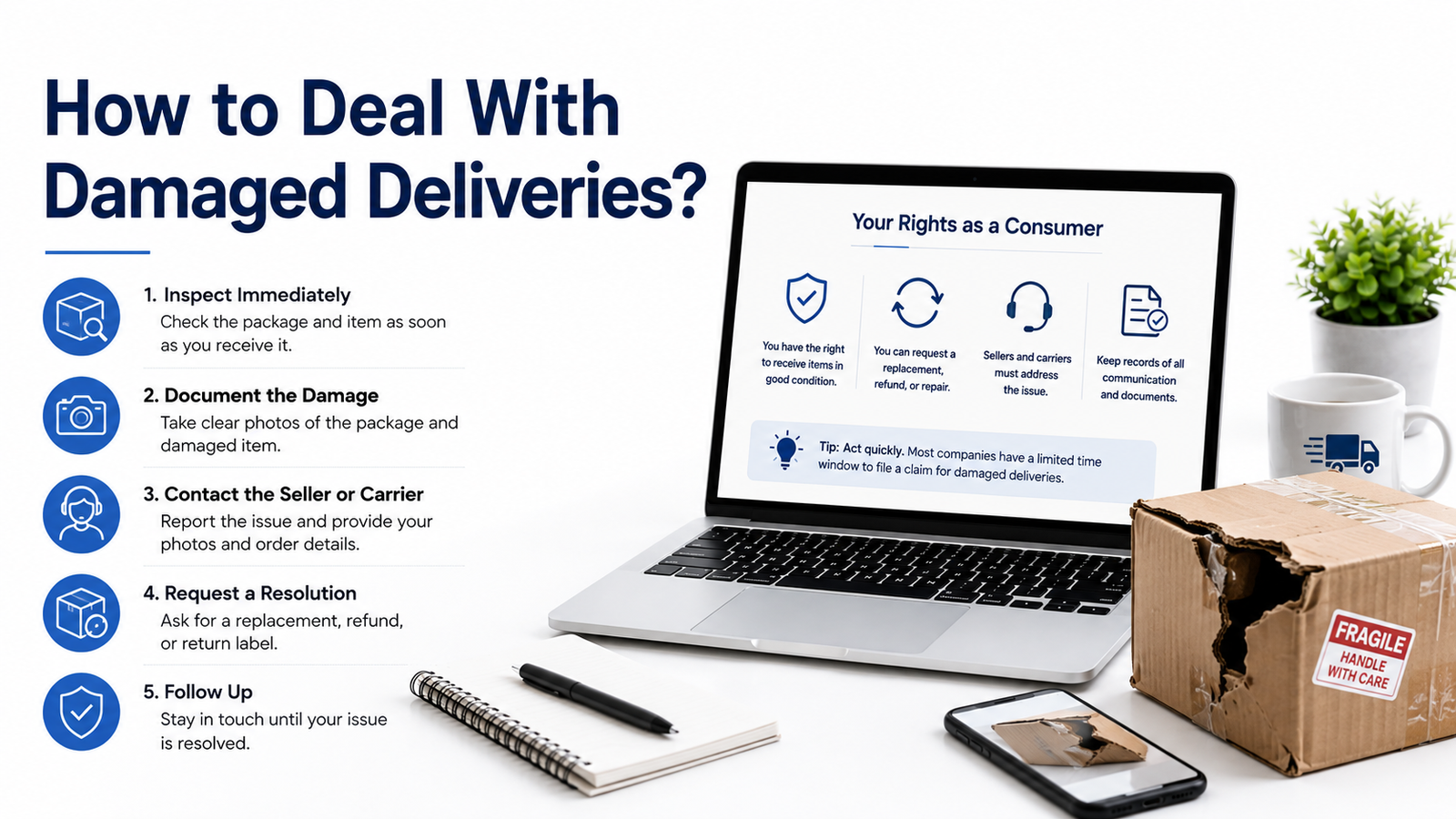
- Shipping damage: request documentation and offer a replacement or refund promptly, since damage in transit is rarely the customer's fault.
Poor Responses vs. Better Responses
|
Poor Response |
Better Response |
|
Ignore the review |
Respond within 24–48 hours |
|
Blame the customer |
Show empathy and investigate |
|
Generic reply |
Personalized response |
|
Public argument |
Professional resolution |
|
No follow-up |
Confirm issue resolution |
How RaiseAComplaint.com Helps Businesses
RaiseAComplaint.com gives businesses a structured way to see what customers are actually experiencing, rather than relying on scattered mentions across social media and review sites. Complaints filed through the platform are organized by category, which makes it easier for a business to spot recurring concerns and respond constructively instead of reactively. Because responses are visible to the person who filed the complaint and to other users researching the business, the process encourages transparency rather than damage control. Used consistently, this kind of structured feedback can help a business identify where its service or product needs attention and build customer confidence over time, though outcomes depend on how consistently a business acts on what it learns.
Wrapping It Up!
Negative reviews are not a sign that a business is failing; they are a normal part of operating in public, and how a business responds to them often matters more than the complaint itself. Businesses that read feedback carefully, respond professionally, and use recurring themes to guide real improvements tend to earn more trust than those with a spotless but unexamined reputation. Building a customer-first culture, where every complaint is treated as a chance to strengthen a relationship rather than a threat to manage, is what turns negative reviews into some of the most valuable feedback a business receives. Free Trial Scams
Frequently Asked Questions
Why are negative reviews important?
Negative reviews give businesses specific, first-hand detail about where a product or service fell short. That level of detail is often more actionable than aggregate satisfaction scores, which explains why many companies treat critical reviews as a direct source of improvement ideas rather than something to avoid.
Should businesses respond to every negative review?
Responding to every negative review, where the platform allows it, is generally worthwhile. Even a brief, professional acknowledgment shows other readers that the business pays attention to feedback, and it gives the original reviewer a chance to reconsider their experience.
Can negative reviews improve customer loyalty?
A negative review handled well can strengthen loyalty, since the customer sees firsthand how the business responds under pressure. A fair, timely resolution often leaves a more lasting impression than a transaction that went smoothly without any need for a response.
How quickly should businesses respond?
Most customers expect a response within 24 to 48 hours. Faster responses signal active monitoring and genuine concern, while delayed replies can make the business appear inattentive, even if a resolution eventually follows.
What should never be included in a review response?
Review responses should avoid blame, sarcasm, private customer details, and promises the business cannot reliably keep. A defensive or dismissive tone tends to damage credibility more than the original complaint did.
How do reviews affect buying decisions?
Many shoppers read negative reviews specifically to see how a business handles problems before deciding to trust it with their own purchase. A thoughtful response can reassure a hesitant buyer even when the underlying complaint was never fully resolved for the original reviewer.
Can businesses remove negative reviews?
Legitimate reviews generally cannot be removed on the basis of being unfavorable alone. Most platforms only remove reviews that violate specific policies, such as fake content or unrelated spam, so addressing the complaint directly is usually the more effective option.
How can companies prevent recurring complaints?
Tracking complaint themes over time helps businesses identify patterns, such as a specific product defect or a confusing policy, and address the root cause rather than responding to each instance individually.
What is online reputation management?
Online reputation management refers to the ongoing practice of monitoring, responding to, and learning from customer feedback across review sites, social media, and complaint platforms in order to maintain customer trust.
How can RaiseAComplaint.com help businesses?
RaiseAComplaint.com organizes customer complaints by category, giving businesses a clearer view of recurring concerns and a structured space to respond transparently, which can support better customer relationships over time.