An unexpected charge on a credit card or bank statement can create confusion, particularly when the same purchase appears twice or a subscription costs more than originally advertised. The problem can become more frustrating when a company continues collecting payments after cancellation. Handling Overcharges and Double Billing requires checking transaction records, understanding the reason behind the discrepancy, and knowing how to challenge charges that should not have been applied.
Why Do Overcharges and Double Billing Happen?
Billing discrepancies can occur for several reasons. A payment processor may submit a transaction twice, a subscription may renew at a higher price, or a merchant may apply a fee that was not included in the original purchase.
Some common causes include:
- Duplicate payment processing: A technical issue or repeated checkout attempt may result in two charges for one purchase.
- Automatic subscription renewals: A promotional price may expire, increasing the amount charged during the next billing cycle.
- Unexpected plan fees: A service provider may add charges for upgraded features, premium access, or additional services.
- Incorrect invoices: The amount billed may differ from the price shown during checkout.
- Delayed payment updates: A transaction may appear unsuccessful even though the payment has been authorized or processed.
Understanding the reason behind an unusual deduction helps determine whether it requires a refund request, a billing correction, or a formal dispute.
How to Identify Duplicate Transactions and Incorrect Charges
Start by reviewing your bank statement or credit card activity. Compare the transaction dates, merchant names, payment amounts, and reference numbers. Then check the original receipt or order confirmation.
Pay attention to the transaction status. A pending authorization does not necessarily mean the merchant has collected the money. For example, an online purchase may fail at checkout while the bank temporarily reserves the payment amount. A second attempt could then create another entry. Unexpected Recurring Charges on Bank Statement
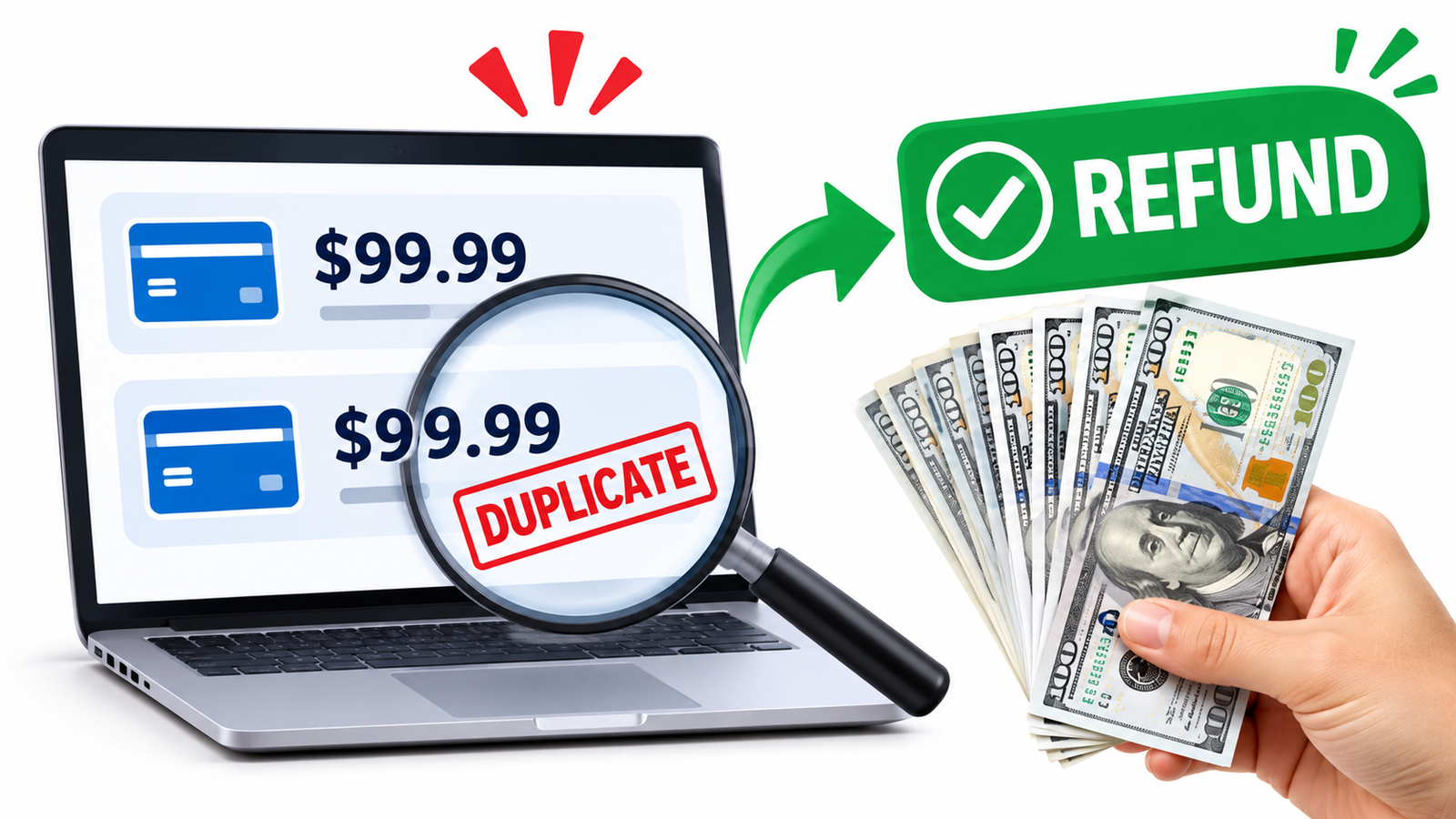
If both transactions are marked as completed, investigate further. Duplicate billing charges should be checked against the merchant's payment records before requesting a refund.
Also look for recurring deductions that do not match your subscription agreement. These may indicate an outdated payment plan, an unexpected renewal, or an account change.
How to Dispute Double Billing and Overcharges
If you identify an incorrect transaction, follow these steps to document the problem and request a correction.
1. Collect Transaction Evidence
Keep copies of payment receipts, invoices, bank statements, order confirmations, and transaction reference numbers. If you made an online purchase, save the confirmation email and any messages received after checkout.
2. Verify the Original Billing Terms
Review the agreed purchase price, subscription conditions, renewal date, and applicable fees. This helps establish whether the merchant made a billing mistake or applied a previously disclosed charge.
3. Contact the Merchant
Contact the company's billing department through its official website, email, or telephone number. Explain the discrepancy and provide the relevant transaction details.
If you were charged twice for the same transaction, identify both payments and ask the company to confirm whether it received the money twice. Request a refund for the duplicate amount and keep a record of its response.
4. Submit a Formal Dispute
If the merchant does not resolve the issue, submit a written complaint. Include the disputed amount, transaction date, and a clear explanation of the problem.
For a double billing on credit card issue, you can also contact your card issuer and ask about its formal billing error procedure.
5. Contact Your Bank or Card Issuer
If the transaction remains unresolved, contact your financial institution through its official website or the number printed on your card.
For disputing unauthorized charges, report the activity immediately. If your card information may have been compromised, ask the issuer whether the card should be blocked or replaced.
How to Challenge Unexpected Subscription and Plan Fees
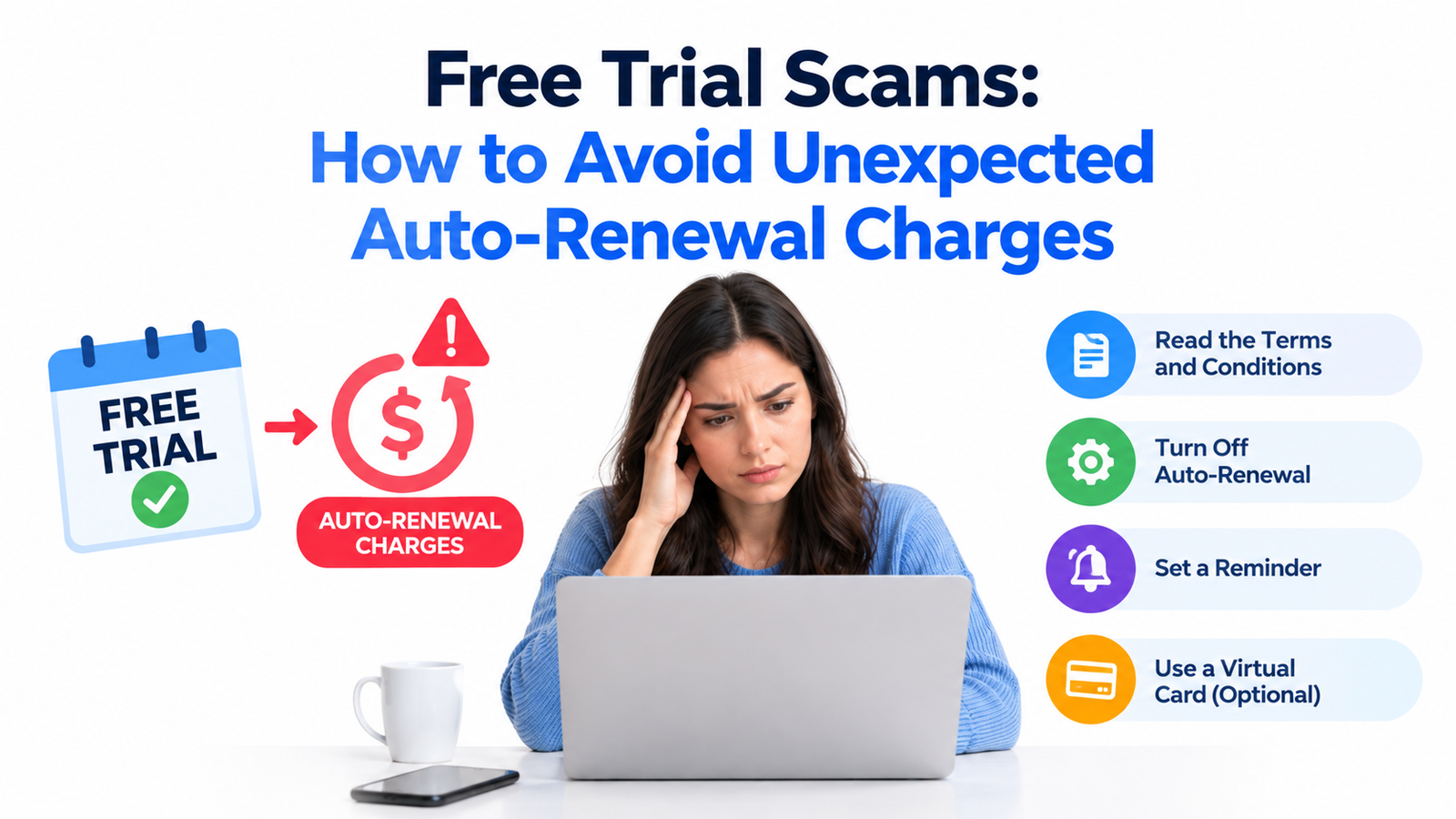
Subscription renewals can create confusion when the original promotional price changes or a free trial converts into a paid plan.
If you notice unexpected subscription charges, review the original signup conditions and check whether the company disclosed the renewal amount and billing frequency.
Pay attention to:
- Promotional offers that have expired.
- Additional features or premium services.
- Automatic renewal dates.
- Changes to monthly or annual subscription prices.
- Charges appearing after cancellation.
The Federal Trade Commission advises consumers to review renewal terms, understand cancellation procedures, and monitor statements after cancelling a subscription.
If you no longer want the service, follow the company's cancellation procedure and save the confirmation. If further deductions occur, contact the merchant and your card issuer to challenge the charges.
How to Request a Refund for Duplicate or Excessive Charges
A refund request should explain what happened, identify the incorrect transaction, and state how much money you expect to receive.
Include the following details:
- Order or account reference number.
- Date and amount of the disputed transaction.
- Payment receipt or invoice.
- A brief explanation of the billing error.
- The amount requested for reimbursement.
When requesting a refund for overcharges, be specific. For example, if a company charges $79 twice for one purchase, explain that the additional $79 should be returned.
Ask the merchant to confirm the refund in writing. Processing times vary by company and payment method, so request an estimated date rather than assuming the money will appear immediately.
The Consumer Financial Protection Bureau (CFPB) recommends contacting the seller first when seeking a refund for a product or service purchased with a credit card. If the issue remains unresolved, consumers can ask their card issuer about available dispute options.
How to Prevent Future Billing Problems
A few routine checks can help reduce the chances of unexpected deductions:
- Enable transaction alerts for your bank and credit card accounts.
- Review subscription renewal dates and pricing changes.
- Check the final amount before completing an online purchase.
- Avoid repeating a payment without checking the previous transaction status.
- Monitor recurring deductions each month.
- Save cancellation confirmations and review subsequent statements.
Regularly reviewing payment activity makes it easier to identify discrepancies before they become recurring problems.
The Bottom Line
An unusual transaction deserves attention before it becomes a recurring financial problem. Handling Overcharges and Double Billing involves checking payment records, understanding the original billing terms, and taking timely action when a company makes an error. Keeping proper documentation and knowing the available dispute procedures can help consumers challenge incorrect charges and protect their money.
Frequently Asked Questions
1. What should I do if I am charged twice for the same purchase?
Check whether both transactions have been completed or whether one is still pending. If both payments have posted, contact the merchant with the transaction references and request a refund. If the issue remains unresolved, approach your bank or card issuer.
2. How can I dispute a duplicate credit card charge?
Contact the merchant first and request a correction. If the duplicate payment remains unresolved, send a written billing error notice to your card issuer within the applicable deadline. Include transaction records and a clear explanation of the problem.
3. Can I get a refund for an unexpected subscription charge?
Yes, a refund may be available depending on the subscription terms, the circumstances of the charge, and applicable consumer protection laws. Contact the company, explain the discrepancy, and request a review.
4. How long does it take to receive a refund for an overcharge?
There is no universal refund timeline. Processing depends on the merchant, payment method, and financial institution. Ask for written confirmation and an estimated processing date.
5. What should I do if a company refuses to refund a duplicate payment?
Keep your receipts, transaction records, and previous correspondence. You can approach your bank or card issuer to explore a billing dispute or chargeback. You may also file a complaint with the CFPB or report suspected deceptive practices to the FTC.
6. Can pending transactions result in temporary double billing?
Yes. A pending authorization and a completed payment may appear together temporarily. The pending amount may be released without a separate refund. Check with your bank if the entry does not disappear within the expected processing period.